
Gen Z Marketing Strategy: Why Engagement Unlocks Future Growth
Marketing has always been about understanding the audience — and in 2025, Gen Z is the audience brands cannot afford to ignore. But connecting with them is not the same as marketing to Millennials or Gen X.
In this blog, we’ll explore:
Who Gen Z really is and why they matter so much in today’s marketplace.
The unique traits and buying behaviours that make them different.
Why engagement — not just awareness — is the key to winning their loyalty.
Actionable strategies brands can use to capture Gen Z’s attention.
Common pitfalls to avoid when engaging with this new generation.
Real-world examples of brands that are already doing it right.
Learning resources and tools you can use to deepen your knowledge.
By the end, you’ll understand why Gen Z engagement should be your next growth strategy and how to apply it effectively.

What is Gen Z? A Closer Look at the Digital-First Generation
Gen Z, often defined as people born between 1997 and 2012, is the first generation to grow up fully immersed in the digital era. Unlike Millennials, who witnessed the rise of the internet, Gen Z never experienced life without it. For them, technology isn’t an addition to life — it’s the foundation of life.
Here’s what makes them stand out:
Digital Natives by Design: From their first YouTube video to their first Instagram post, their social identity has been shaped online. They are comfortable switching between platforms, multitasking across multiple screens, and navigating an endless stream of content.
Global by Default: With instant access to worldwide conversations, Gen Z is more culturally aware and globally connected than any previous generation.
Value-Oriented: They make decisions not just based on price or convenience but also on values — sustainability, inclusivity, diversity, and authenticity matter deeply.
Creatively Empowered: They don’t just consume content; they create, remix, and influence. A teenager with a smartphone today can reach millions through TikTok, Instagram, or YouTube.
Independent Thinkers: Having grown up during global economic shifts, climate discussions, and social justice movements, Gen Z is pragmatic, entrepreneurial, and socially conscious.
In short, Gen Z isn’t just another “young generation.” They are a powerful force shaping culture, economy, and business trends. Understanding who they are is the first step in unlocking the growth opportunities they bring.
How Gen Z Differs from Millennials in Engagement Preferences.
Although Millennials and Gen Z are often grouped together as “digital natives,” their ways of interacting with brands and making purchase decisions are strikingly different. Understanding these differences is crucial for building the right engagement strategy.
1. Attention Span and Content Preferences
Millennials grew up with long-form blogs, Facebook updates, and YouTube videos. They still engage well with detailed guides, how-to articles, and reviews.
Gen Z, on the other hand, prefers bite-sized, highly visual content. Platforms like TikTok, Instagram Reels, and YouTube Shorts cater to their shorter attention spans. They are more likely to watch a 15-second video review than read a 1,000-word article.
2. Platform Choices
Millennials tend to dominate on Facebook, LinkedIn, and Instagram, where they connect with peers and consume lifestyle, career, and family-oriented content.
Gen Z gravitates toward TikTok, Snapchat, and Discord, with Instagram still popular but used differently. Their spaces are fast-paced, interactive, and community-driven.
3. Values and Brand Expectations
Millennials appreciate value-for-money, convenience, and customer service. They look for loyalty programs and practical benefits.
Gen Z is motivated by authenticity, inclusivity, and social impact. They are quick to support brands that take a stand on social issues, show transparency, and align with their values.
4. Buying Motivators
For Millennials, purchasing decisions often tie to life stages: buying homes, raising families, and career advancement. They tend to compare options carefully and seek reviews before committing.
Gen Z is experience-first. They want products and services that reflect identity, community, and self-expression. They’re more likely to experiment with new brands if they feel a personal connection or cultural relevance.
5. Engagement Style
Millennials appreciate brand-driven content like newsletters, blog posts, and professional campaigns.
Gen Z thrives on two-way interaction — replying to comments, creating memes, sharing user-generated content, and joining live streams. They expect to co-create culture with brands, not just consume it.
👉 In short: while Millennials respond well to information-rich, practical engagement, Gen Z demands authentic, interactive, and socially aware connections. A strategy that resonates with one group won’t necessarily work with the other.
Brief Stat/Insight to Highlight Their Buying Power.
When it comes to sheer economic influence, Gen Z is unmatched among younger generations. According to multiple studies, their direct buying power in the U.S. alone exceeds $360 billion annually — and globally, the number climbs much higher. But that’s just the beginning of their impact.
Indirect Influence on Household Spending: A 2023 Barkley report found that Gen Z influences up to $600 billion in household spending annually. Even when they aren’t the ones swiping the card, they’re shaping what their parents and older family members buy — from clothing to food, gadgets, and even travel choices.
Digital-First Shopping Habits: Research shows that 67% of Gen Z prefers shopping online over in-store. They often discover products on TikTok, Instagram, or YouTube, making social commerce a crucial growth channel for brands.
Early Adopters with Ripple Effects: Gen Z is more likely than any other group to try new products, services, or apps. This “early adopter effect” creates a ripple where their choices quickly influence Millennials and even Gen X consumers.
Global Workforce Integration: By 2030, Gen Z will make up nearly 30% of the global workforce. With salaries and side hustles fueling their spending, their economic impact is only accelerating.
Cultural Multiplier Effect: Beyond spending, Gen Z sets the tone of cultural relevance. A product, brand, or trend that goes viral among Gen Z often becomes mainstream across all age groups.
In short: Gen Z isn’t just a segment of consumers — they are the economic engine driving growth, shaping purchasing decisions across generations, and setting the cultural agenda.
Who Is Gen Z and Why They Matter for Business Growth
Every new generation reshapes the way businesses think about growth, but Gen Z has completely rewritten the rulebook. Born roughly between 1997 and 2012, this generation grew up in a world of constant connectivity, instant access to information, and unprecedented cultural change. Unlike Millennials, who witnessed the transition from analogue to digital, Gen Z has never known a life without smartphones, Wi-Fi, and social media.
For brands, this matters because Gen Z isn’t just another demographic segment — they represent the future of the global consumer market. With their massive spending power, influence over household decisions, and ability to set cultural trends, they’re not waiting on the sidelines. They are actively shaping what products succeed, what brands thrive, and what values dominate the market.
Key Characteristics of Gen Z Consumers
Digital-First Natives – Gen Z spends an average of 7+ hours per day online, making digital ecosystems their natural environment. They don’t just consume content; they interact with it, remix it, and share it.
Value-Driven Mindset – They care deeply about sustainability, inclusivity, and authenticity. If a brand doesn’t align with their beliefs, they’ll disengage quickly.
Multitaskers by Nature – Gen Z juggles multiple screens at once, seamlessly switching between entertainment, education, and shopping. This multitasking shapes how they engage with campaigns.
Creators, Not Just Consumers – Unlike previous generations, Gen Z thrives on user-generated content. Memes, reviews, and viral challenges aren’t just fun — they are how they communicate and shape brand perception.
Gen Z Buying Power and Digital Influence
The financial clout of Gen Z is impossible to ignore. In the U.S. alone, they wield over $360 billion in direct spending power each year. Globally, their influence is even more staggering when you factor in the household spending they sway — often pushing the total beyond $600 billion annually.
But their economic impact extends beyond raw numbers:
Social Shopping Pioneers – Gen Z shoppers don’t just rely on e-commerce websites. They often discover and purchase products directly on platforms like TikTok Shop, Instagram Shopping, or Pinterest.
Trend Multipliers – What Gen Z buys, wears, and shares today often becomes mainstream tomorrow. Their endorsement can take a brand from niche to global overnight.
Early Workforce Earners – With side hustles, freelance gigs, and entrepreneurial ventures, many Gen Zers are earning younger and investing earlier than previous generations.
For businesses, this means that engaging Gen Z isn’t optional — it’s an entry ticket to future relevance.
How Gen Z Differs from Millennials in Engagement Preferences
At first glance, Millennials and Gen Z seem similar — both are tech-savvy, active on social media, and sceptical of traditional advertising. But their differences are what make Gen Z so unique to marketers:
Content Format: Millennials lean toward blogs, YouTube tutorials, and Facebook posts. Gen Z prefers short-form, visually engaging content like TikTok and Reels.
Platform Use: Millennials still dominate LinkedIn and Facebook, while Gen Z thrives on TikTok, Snapchat, and Discord — spaces designed for speed, creativity, and community.
Values: Millennials value convenience and price, while Gen Z expects brands to take a stand on social, cultural, and environmental issues.
Engagement Style: Millennials respond to structured brand-driven campaigns. Gen Z craves co-creation — they want to duet, remix, comment, and actively participate in the brand story.
The takeaway? A Millennial-first strategy will fall flat with Gen Z. To capture their loyalty, brands must prioritise interactivity, authenticity, and cultural relevance.
✨ In summary: Gen Z isn’t just another audience; they are the catalyst for business growth in the digital-first economy. Their influence, both direct and indirect, ensures that any brand ignoring their expectations risks fading into irrelevance.
The Importance of Gen Z Engagement in Marketing Strategy
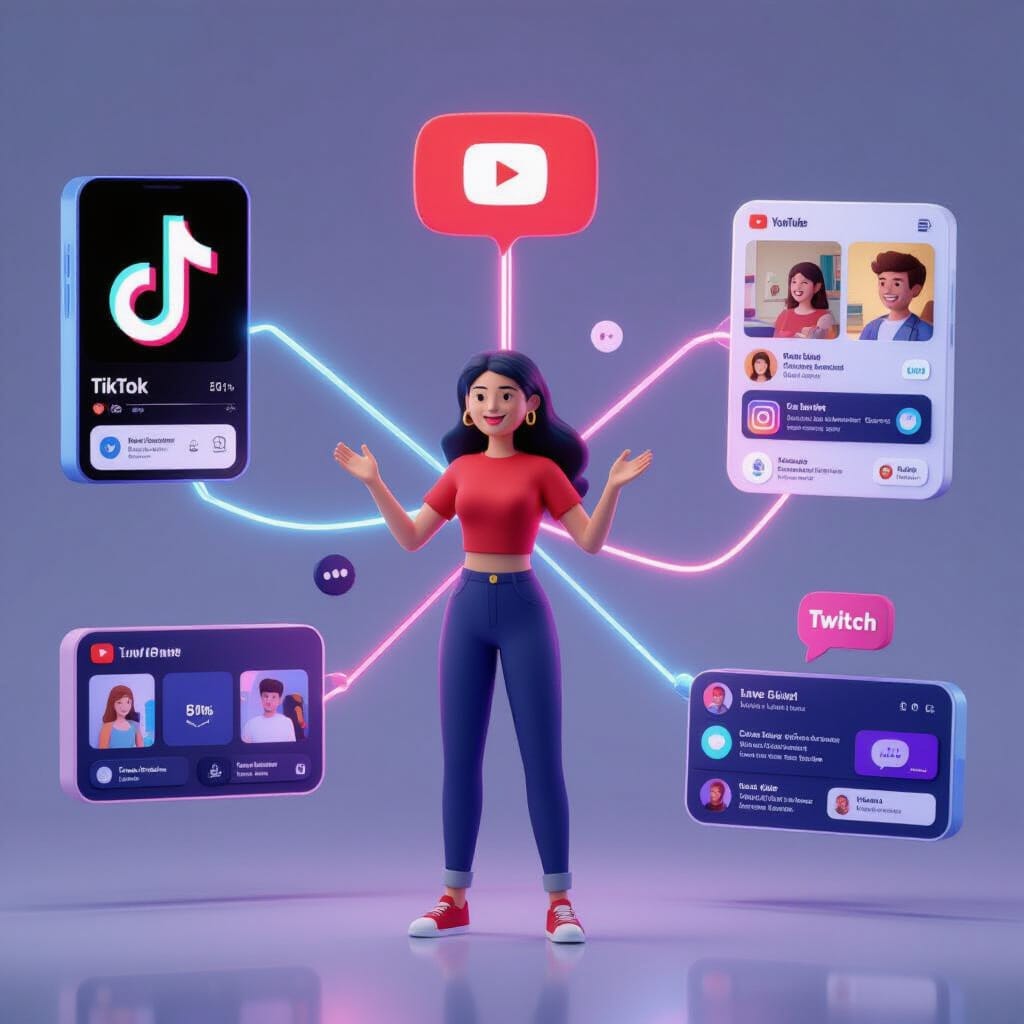
Engaging with Gen Z isn’t just about running campaigns on the right platforms — it’s about redefining the entire marketing playbook. Gen Z doesn’t passively consume ads; they actively filter, question, and even challenge them. This means businesses that want long-term growth must go beyond visibility and focus on building meaningful engagement.
Why Engagement Drives Brand Loyalty Among Gen Z
For Gen Z, brand loyalty doesn’t come from catchy slogans or discounts — it comes from connection. They are far more likely to stick with brands that:
Speak their language in authentic ways.
Acknowledge their values and beliefs.
Provide interactive and personalized experiences.
According to a 2024 Deloitte study, over 70% of Gen Z consumers said they would stay loyal to a brand that reflects their personal values. In other words, engagement isn’t just a tactic; it’s the foundation of trust.
Social Media as the Gen Z Engagement Hub
If Millennials made Facebook the centre of social interaction, Gen Z has transformed TikTok, Instagram, and Snapchat into cultural hubs. These platforms aren’t just for entertainment; they are where trends are born, opinions are shaped, and purchase decisions are made.
TikTok drives spontaneous discovery — the “TikTok Made Me Buy It” phenomenon shows how a viral clip can sell out a product in hours.
Instagram Reels and Stories keep visual storytelling at the forefront, blending aspirational content with shoppable features.
Snapchat and Discord foster smaller, tight-knit communities, giving brands the chance to build exclusivity and closeness with audiences.
For brands, this means showing up where Gen Z spends their time, but more importantly, joining the conversation rather than dominating it.
Authenticity and Transparency as Trust Builders
Gen Z is the most sceptical consumer group to date. They’ve grown up in an era of fake news, staged influencer content, and overly polished advertising. As a result, they value transparency over perfection.
Authenticity: They prefer raw, unfiltered content over staged marketing. A behind-the-scenes clip can build more trust than a glossy commercial.
Transparency: They expect honesty in business practices — from sourcing materials to pricing strategies. Brands that hide information risk being called out publicly.
In fact, research shows that 63% of Gen Z will stop buying from a brand if they sense dishonesty. For businesses, the message is simple: keep it real, or risk losing them.
✨ In summary: Engagement with Gen Z is more than likes and shares — it’s about creating trust, co-creating culture, and aligning with values. Companies that master this will not only win Gen Z’s loyalty but also future-proof their growth.
Top Gen Z Engagement Strategies for Brands
Understanding Gen Z is one thing — but translating that understanding into strategies that work is where the real growth happens. Gen Z is highly discerning, but they are also incredibly rewarding when a brand resonates with them. Here are the most effective ways to engage this generation in 2025 and beyond.
Leveraging Short-Form Video (TikTok, Reels, Shorts)
Gen Z lives in a video-first world. Platforms like TikTok, Instagram Reels, and YouTube Shorts are not just for entertainment — they’re shopping engines, trend incubators, and community spaces.
Keep videos short, creative, and relatable.
Jump on trending challenges or audios, but add your own brand twist.
Share behind-the-scenes looks or user experiences rather than polished ads.
👉 Pro tip: Gen Z appreciates humor and storytelling. A relatable 15-second TikTok often outperforms a high-budget commercial.
Community-Driven Marketing and User-Generated Content (UGC)
Gen Z doesn’t just want to buy — they want to belong. Brands that create communities, whether through Discord servers, private groups, or hashtags, see much higher engagement.
Encourage UGC campaigns where fans share their own content.
Celebrate your community by reposting or featuring their work.
Offer exclusive perks, early access, or behind-the-scenes updates to loyal followers.
Example: Brands like Glossier have thrived by turning their customer base into a content-creating community.
Personalization and Interactive Campaigns
Gen Z has grown up with algorithms that know them better than they know themselves. They expect brands to meet the same standard of personalization.
Use interactive polls, quizzes, and AR filters to make engagement fun.
Create personalized recommendations based on browsing or purchase history.
Run gamified campaigns where participation leads to rewards.
This not only boosts engagement but also gives brands valuable insight into customer preferences.
Influencer Collaborations That Resonate with Gen Z Values
Traditional celebrity endorsements don’t impress Gen Z. They prefer micro and nano influencers who feel real, relatable, and trustworthy.
Collaborate with creators who already align with your brand values.
Focus on authenticity over follower count — an influencer with 20k engaged followers can outperform one with 2M passive ones.
Allow influencers creative freedom. Overly scripted content is a turnoff for Gen Z.
Successful collaborations look less like ads and more like recommendations from a trusted friend.
✨ In short: To truly engage Gen Z, brands must prioritize creativity, community, personalization, and authenticity. These strategies not only capture attention but also build the kind of emotional loyalty that drives long-term growth.
Case Studies – Brands Winning with Gen Z Engagement
The best way to understand how to connect with Gen Z is to look at brands already doing it successfully. These companies have cracked the code by building trust, embracing creativity, and giving Gen Z a voice in the conversation.
Fashion & Lifestyle Brands Leading the Way – Glossier & Nike
Glossier has built its empire on community-driven marketing. Instead of traditional ads, the beauty brand amplifies user-generated content — reposting photos, reviews, and tutorials from real customers. This has made fans feel like co-creators of the brand.
Nike goes beyond selling sneakers by championing causes Gen Z cares about, such as racial justice and inclusivity. Their “You Can’t Stop Us” campaign wasn’t just a product ad — it was a cultural statement, resonating deeply with young audiences.
Lesson: Engagement comes from giving your community ownership of the brand story and showing that your values align with theirs.
Tech Startups Creating Gen Z-Centric Communities – Discord & Duolingo
Discord started as a gamer-focused app but evolved into a community platform for Gen Z to gather, collaborate, and share. Its success lies in creating spaces where users feel a sense of belonging, not just a product.
Duolingo turned language learning into a gamified experience with interactive streaks, memes, and even a quirky mascot (the Duo owl) that went viral on TikTok. Their fun, authentic approach has made them one of Gen Z’s favourite educational apps.
Lesson: Community and playfulness drive Gen Z engagement. Brands that combine interactivity with purpose stand out.
Lessons Established Brands Can Learn – Chipotle
Even legacy brands can thrive with Gen Z if they’re willing to adapt. Chipotle has mastered TikTok marketing by:
Launching viral challenges like the #GuacDance, which generated millions of user videos.
Partnering with influencers to create playful, snackable content.
Leveraging humour and memes that match Gen Z’s culture.
Lesson: Staying relevant doesn’t require reinventing your business — it means speaking the language of Gen Z on platforms they love.
✨ Takeaway: Whether it’s a startup or a global brand, the winning formula is clear: community-driven campaigns, authentic storytelling, and cultural alignment. These case studies show that engaging Gen Z isn’t just possible — it’s incredibly rewarding.
Common Mistakes to Avoid in Gen Z Marketing
While many brands are eager to capture Gen Z’s attention, plenty stumble by relying on outdated tactics or misunderstanding what this generation really values. Knowing what not to do can be just as important as knowing the right strategies. Here are the pitfalls every brand should avoid:
Over-Promising and Under-Delivering
Gen Z has grown up in an era where promises are easy to make but harder to keep. They’ve seen brands advertise flawless products that don’t live up to the hype. When that happens, they don’t just walk away quietly — they call it out publicly.
Avoid exaggerated claims.
Be honest about what your product or service can deliver.
Under-promise and over-deliver instead — surprising Gen Z with extra value builds long-term trust.
👉 Remember: A single bad review or viral TikTok exposing dishonesty can undo months of marketing effort.
Ignoring Social Issues and Brand Purpose
For Gen Z, brands aren’t just sellers of goods — they’re part of the cultural fabric. This generation expects companies to stand for something bigger than profits.
Staying silent on issues like sustainability, diversity, or social justice can be seen as avoidance.
Empty “virtue signaling” without real action is worse — Gen Z can spot inauthenticity a mile away.
Back up your messaging with visible efforts (e.g., eco-friendly packaging, inclusive campaigns, or charity partnerships).
Brands like Patagonia and Ben & Jerry’s have thrived by weaving purpose into their DNA, not just their marketing.
Using Outdated Engagement Channels
What worked for Millennials may flop with Gen Z. Traditional banner ads, email blasts, or overly polished commercials don’t capture their attention.
Gen Z skips ads instinctively. They use ad-blockers, and their attention span is short.
Instead of chasing them with pop-ups, meet them where they are — TikTok trends, Instagram Reels, Snapchat filters, or even Discord communities.
Engagement for this generation is about conversation, not interruption.
Failing to adapt to these new channels can make a brand feel outdated and irrelevant.
✨ Bottom line: To connect with Gen Z, brands must avoid overpromising, ignoring purpose, and clinging to outdated marketing tactics. Instead, focus on authenticity, cultural alignment, and forward-thinking channels to build genuine trust.
How to Future-Proof Your Marketing with Gen Z Insights
Gen Z’s influence isn’t a passing trend — it’s the beginning of a long-term cultural and economic shift. Brands that adapt now will not only win Gen Z’s loyalty but also be better prepared for the generations that follow. Here’s how to keep your marketing strategy ahead of the curve.
Using Data and Social Listening to Track Trends
Gen Z trends move at lightning speed. What’s viral today may fade tomorrow. To keep up, brands need more than guesswork — they need real-time insights.
Social listening tools like Brandwatch, Sprout Social, or Hootsuite help brands monitor conversations and spot new cultural shifts.
Tracking hashtags, memes, and viral sounds can reveal what’s resonating with Gen Z communities.
Analyzing engagement data ensures campaigns stay relevant and don’t miss the moment.
Tip: Instead of chasing every trend, focus on the ones that align with your brand’s values and story.
Building Long-Term Relationships with Gen Z Customers
Engaging Gen Z isn’t about quick wins — it’s about earning loyalty over time. That requires consistency, transparency, and dialogue.
Create loyalty programs that reward not just purchases, but participation (reviews, referrals, UGC).
Keep communication authentic — use conversational tones instead of corporate jargon.
Show up consistently with updates, not just during campaign launches.
When brands treat Gen Z as partners, not just consumers, they lay the foundation for lifelong relationships.
Preparing for the Next Generation of Digital Consumers
Gen Z may be today’s growth driver, but Generation Alpha (born after 2013) is right behind them — and they’re growing up in an even more immersive digital world shaped by AI, AR, and the metaverse. Future-proofing your marketing means staying flexible and ready to adapt to what comes next.
Experiment with AR shopping experiences and gamified brand interactions.
Invest in sustainability and ethics, which will continue to be core values.
Keep building communities, not just campaigns, since younger generations thrive in shared digital spaces.
Brands that embrace innovation while staying authentic will be able to bridge generations seamlessly.
✨ In summary: Future-proofing your marketing isn’t about chasing the next big trend — it’s about building adaptive, authentic, and data-driven strategies that evolve with culture. Brands that get this right won’t just win Gen Z, they’ll win the generations that follow.
Gen Z Engagement Is the Growth Engine of the Future
Gen Z isn’t just another consumer group — they are the generation shaping culture, driving spending power, and setting the pace of digital innovation. Their expectations for authenticity, transparency, and interaction are higher than ever, but the brands that rise to meet them gain something invaluable: loyalty, advocacy, and long-term growth.
We’ve explored who Gen Z is, why they matter, the strategies that work, and the pitfalls to avoid. From short-form video and community-driven marketing to authentic influencer partnerships and data-driven insights, the path forward is clear: engagement is the key to unlocking Gen Z’s trust.
The brands winning today are those that see Gen Z not just as buyers, but as collaborators and cultural co-creators. If you’re serious about future-proofing your growth strategy, start by asking:
How can we show up authentically for Gen Z?
How can we give them a voice in our brand story?
How can we keep adapting as culture evolves?
The answers to those questions will separate tomorrow’s thriving brands from those left behind.
 Whether you’re a student marketer, startup founder, or part of an established business, now is the time to rethink your engagement strategy.
If you’re learning, dive deeper with Coursera’s Digital Marketing Specialization or HubSpot Academy
Further Learning & Resources
To stay ahead, here are some platforms and videos that dive deeper into Gen Z marketing:
Online Learning Platforms & Courses
Top Videos & YouTube Content
Want to continue learning?
Register and get practical tutorials, tips, and real-world projects.
Register